City Skyline Silhouettes Set: A Designer's Review
As someone who spends more time staring at stitch maps than most people care to admit, I approach new design assets with a healthy dose of skepticism. We have all been there: you download a file that looks crisp on the screen, only to find it turns into a bird's nest of thread once it hits the fabric. That is why I was eager to put the City Skyline Silhouettes Set through its paces. This isn't just about whether the lines look cool; it is about whether this machine embroidery design can hold up under the needle and deliver a professional finished product for your clients.
First Impressions and Visual Personality
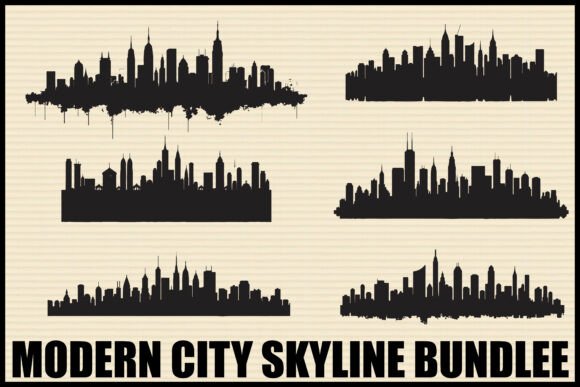
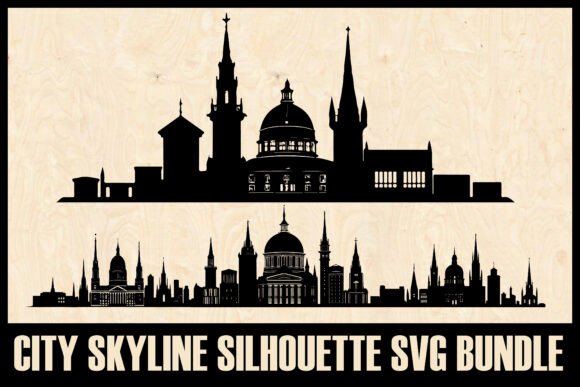
When I first opened the files, the immediate takeaway was versatility. The set includes four distinct variations, which is a smart move for any Etsy seller or boutique owner looking to offer variety without buying ten different packs. The mood here is distinctly urban and modern. These aren't cluttered, hyper-realistic cityscapes trying to do too much; they are clean, bold silhouettes that rely on negative space to define the architecture.
From a graphic design perspective, the balance between the building heights and the open sky feels intentional. For an embroidery project, this is crucial. Too many tiny details in a skyline often result in lost definition once the thread expands. This set seems to understand that limitation, offering shapes that translate well from vector to stitch. Whether you are aiming for a sleek, minimalist vibe or a cozy, handcrafted feel, these silhouettes provide a strong foundation.
Real-World Application: The Custom Tote Test
To truly gauge the value of this skyline vector bundle, I envisioned a specific real-life scenario: a custom order for a local coffee shop needing branded tote bags. The client wanted something recognizable but not overly loud—a subtle nod to the city where their beans are roasted.
I selected one of the denser skyline options from the set. On a canvas tote bag design, the sharp angles of the buildings contrast beautifully with the weave of the fabric. Because the design relies on solid shapes rather than intricate internal detailing, it stitches out quickly. This is a massive plus for commercial work where time is money. The result was a crisp, black silhouette that looked intentional and high-end. It didn't look like a cheap iron-on transfer; it looked like a legitimate part of the bag's construction. For a small shop product, that distinction builds immediate customer trust.
Expanding Beyond Bags
While the tote bag was a success, the potential here goes much further. Imagine this as a sweatshirt embroidery piece on the lower left chest of a heavyweight hoodie. The urban theme pairs perfectly with streetwear aesthetics. Alternatively, scaled down, these could serve as charming baby embroidery motifs on a nursery blanket, perhaps using soft grays or pastels instead of stark black to soften the "city" edge for a child's room.
I also see strong potential for holiday embroidery. Picture a winter scene where snowflakes are added around the skyline, or a Fourth of July design where the buildings are filled with red, white, and blue satin stitches. The simplicity of the base design allows you to layer creativity on top without overwhelming the viewer.
Technical Considerations for Stitching
However, no design is perfect for every situation, and honest review means discussing where you need to be careful. The primary concern with any silhouette-heavy embroidery file is stitch density. If the software auto-digitizes these vectors poorly, you might end up with a solid block of thread that creates stiffness and puckering, especially on stretchy fabrics like jersey knits.
Before committing to a final run, you must test the design on scrap fabric. Check the stitch density settings in your digitizing software. You may need to introduce some texture, like a light fill pattern or even a running stitch outline, to break up large areas of color. This prevents the "plastic" look that sometimes happens with dense fills.
Fabric choice matters immensely here. On textured fabrics like towels or rough linen, the fine points of the skyscrapers might get lost. In those cases, opting for a slightly larger hoop size and scaling up the design ensures the details remain visible. Conversely, on dark fabrics, ensure your thread colors have enough contrast. A midnight blue thread on a black shirt might look sophisticated on screen but will vanish entirely once stitched.
Navigating Tricky Surfaces
If you plan to use these on curved surfaces, such as caps, proceed with caution. The long, horizontal nature of a skyline can distort easily on the front panel of a hat. You will need a sturdy stabilizer—likely a cut-away rather than tear-away—to prevent the design from warping over time. Also, watch out for the tallest buildings in the silhouette; if they are too thin, they might not anchor well on the curve and could snag during wear.
Commercial Viability and Brand Consistency
For the craft business owner, consistency is key. One of the strongest aspects of the City Skyline Silhouettes Set is how it aids in brand recognition. Because the style is uniform across the four included files, you can create a cohesive collection of products. You could sell a matching set: a pillow cover for the home, a patch for a jacket, and a tee for daily wear, all featuring the same iconic view.
This consistency elevates the perceived value of your handmade product. Customers are willing to pay more for items that feel part of a curated collection rather than random designs thrown together. Furthermore, since these are provided as SVG, EPS, PNG, and JPG, they double as excellent printable mockup assets. You can show your customers exactly what the embroidered item will look like before you ever thread the needle, reducing hesitation and increasing conversion rates.
Final Verdict and Designer Notes
In conclusion, the City Skyline Silhouettes Set is a robust tool for the modern maker. It bridges the gap between digital graphics and tactile custom apparel effectively. It is not just a pretty picture; it is a functional asset that, when handled with technical care, produces stunning results.
Before you start stitching, keep these practical notes in mind:
- Check Licensing: Always confirm the license terms before selling finished items or digital products derived from these files. Commercial rights vary by creator.
- Digitize Wisely: If you are converting the SVG or EPS yourself, pay close attention to underlay stitches to ensure the silhouette sits flat on the fabric.
- Thread Selection: Don't limit yourself to black. Try metallic threads for a night-sky effect or variegated threads to add depth to the buildings.
- Mockup Testing: View your design in black and white before stitching. If the shape doesn't read clearly in grayscale, it won't read well in thread either.
- Stabilizer Strategy: Match your stabilizer to your fabric weight. Heavy denim needs less support than a lightweight rayon shirt.
Whether you are decorating a kitchen towel for a housewarming gift or producing a run of branded uniforms, this set offers the clarity and style needed to make a statement. Just remember, the difference between a good design and a great embroidered patch or garment lies in the preparation. Test your settings, respect the fabric, and let these city views tell their story through your needlework.