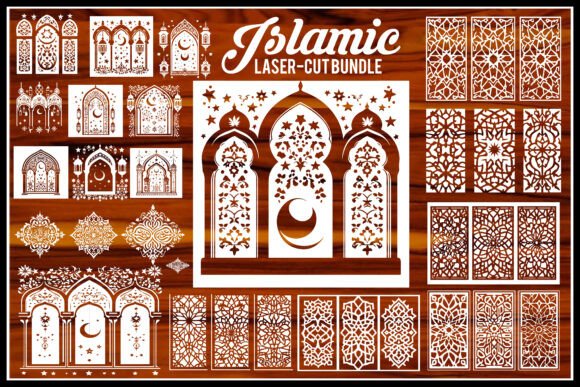
Evaluating the Islamic Calligraphy Ornamental Arch
As a designer who has spent years digitizing patterns and reviewing machine embroidery design files for various clients, I approach every new asset with a critical eye. It is not just about whether a file opens correctly; it is about how that design translates from a digital screen to physical thread. Recently, I evaluated the Islamic Calligraphy Ornamental Arch, a piece that sits at the intersection of traditional artistry and modern digital production. This review focuses on its practical application in real-world projects, offering insights for embroidery designers, Etsy sellers, and craft business owners looking to elevate their product lines.
First Impressions: A Balance of Tradition and Structure
The first thing that strikes you about the Islamic Calligraphy Ornamental Arch is its structural integrity. Unlike free-flowing script that can sometimes look messy when stitched out, this design utilizes the arch motif to create a contained, balanced composition. The mood is serene and respectful, making it an ideal candidate for items that require a touch of elegance and cultural significance. Visually, the interplay between the Arabic typography and the ornamental border suggests a high level of detail. For those working in Crafts and Graphics, this duality offers versatility. It functions not just as text, but as a decorative element that can anchor a larger design or stand alone as a statement piece.
When I loaded the file into my editing software, I looked immediately at the node structure. Clean vectors are essential for smooth stitching, and this design appears to handle the curves of the calligraphy with precision. However, the complexity of Arabic calligraphy means that stitch placement is critical. The design demands respect for the flow of the letters, ensuring that the satin stitch or fill stitch directions follow the natural movement of the script rather than fighting against it.
Real-World Application: From Concept to Finished Product
To truly test the viability of this design, I imagined a specific client scenario. A boutique owner approached me for a line of premium tote bags intended for a cultural heritage month celebration. She needed something that was recognizable yet sophisticated. The Islamic Calligraphy Ornamental Arch fit this brief perfectly. On a canvas tote bag design, the arch shape provides a natural frame that draws the eye inward. The symmetry of the arch complements the rectangular shape of the bag, creating a harmonious visual balance.
Beyond tote bags, I see immense potential in sweatshirt embroidery. Placed centrally on the chest or slightly offset on the left breast, the design adds a layer of personal identity to casual wear. For custom apparel, the key is scaling. The intricate details of the ornamental border must remain visible without becoming a dense block of thread. If the design is too small, the fine lines of the calligraphy may merge, losing their definition. Therefore, I recommend using this as a medium-to-large format design, ideally suited for jackets, hoodies, or large pillow covers.
For baby embroidery projects, such as nursery decor or soft blankets, the design offers a gentle aesthetic. However, caution is required. Babies have sensitive skin, and the back of the embroidery must be managed carefully. Using a soft cut-away stabilizer and ensuring that no rough edges from the running stitch underlay are exposed is crucial. In this context, the design serves as a beautiful, meaningful gift that parents will cherish, adding value to your handmade product offerings.
Technical Considerations for Embroidery Designers
While the visual appeal is strong, the technical execution determines the success of the embroidery project. One of the primary concerns with calligraphic designs is stitch density. Arabic script often features thick vertical strokes and thin horizontal connections. If the digitizer has not adjusted the density accordingly, the thick areas can become stiff and puckered, while the thin areas might gap. Before committing to a production run, I always advise testing the design on scrap fabric similar to your final material.
Fabric choice plays a pivotal role. This design performs best on stable, medium-weight fabrics like cotton twill, denim, or linen. On stretchy fabrics, such as jersey knits used in t-shirts, the design requires a robust stabilizer strategy to prevent distortion. The arch shape, with its curved top, can pull on knit fabrics if the hoop tension is not perfectly balanced. For embroidered patch creation, however, this design shines. Patches allow for heavier stabilizers and denser stitching, preserving the crispness of the ornamental details.
Another critical factor is thread colors. The contrast between the thread and the fabric defines the legibility of the calligraphy. On dark fabrics, using metallic or light-colored threads can highlight the ornamental aspects, but one must ensure the sheen does not obscure the letterforms. I recommend creating black and white mockups to check the silhouette of the design. If the shape reads clearly in monochrome, it will likely succeed in color. For holiday embroidery or special occasions, gold and deep green or blue combinations often evoke the traditional aesthetic associated with Islamic art.
Navigating Limitations and Best Practices
It is important to acknowledge where this design might face challenges. Small hoop sizes, such as 4x4 inches, may not do justice to the intricacy of the Islamic Calligraphy Ornamental Arch. Compressing the design to fit a small space could result in lost details and increased breakage risk. Similarly, curved surfaces like caps require careful positioning. The arch must be centered precisely to avoid visual distortion when viewed from the front. For cap embroidery, consider simplifying the underlay or reducing the overall size slightly to accommodate the curvature.
For those selling digital embroidery file assets or finished goods, understanding the file formats is essential. The product description indicates availability in PNG, EPS, SVG, and JPG. While these are excellent for printable mockup creation, laser cutting, or CNC patterns, they are not native machine embroidery formats like PES or DST. If you are an Etsy seller or small shop owner, ensure you have the appropriate software to convert or digitize these vector graphics into stitch files if they are not already provided in machine-readable formats. Always confirm licensing terms before using the design for commercial embroidery or including it in design assets for resale.
Enhancing Brand Value and Customer Trust
Incorporating culturally significant designs like the Islamic Calligraphy Ornamental Arch into your inventory can significantly boost brand consistency and customer trust. It shows attention to detail and respect for artistic traditions. For personalized gift businesses, offering this design allows customers to connect with their heritage in a tangible way. The perceived value of such a item is higher than generic patterns because it carries meaning.
When presenting this design in your online shop, use high-quality photos that show the texture of the stitches. Close-ups of the calligraphy edges demonstrate your technical proficiency. Mention the care instructions clearly, especially for items that will undergo frequent washing. A well-executed finished product that maintains its shape and color vibrancy after washing leads to positive reviews and repeat business. Whether you are creating baby clothes, home decor, or apparel, the quality of the stitch-out reflects directly on your professional reputation.
In conclusion, the Islamic Calligraphy Ornamental Arch is a versatile and meaningful addition to any designer’s library. It requires thoughtful handling regarding fabric choice, stabilizer selection, and sizing, but the results can be stunning. By approaching this design with a practitioner’s mindset—testing, adjusting, and respecting the material—you can create products that are not only visually appealing but also durable and commercially viable. For makers and entrepreneurs, it represents an opportunity to blend artistic heritage with modern craftsmanship, creating items that resonate deeply with customers.