Review: My 1st 4th July SVG Cut File for Embroidery
As a designer who spends more time staring at stitch maps than most people spend watching TV, I approach new files with a healthy dose of skepticism. We have all downloaded a "perfect" graphic only to find it turns into a bird's nest of thread breaks and puckering once it hits the machine. Today, I am taking a close look at My 1st 4th July SVG Cut File. While this asset is marketed primarily within the Crafts and Graphics categories for cutting machines, my job is to determine if it holds up when translated into a tangible machine embroidery design for real-world client projects.
First Impressions: Mood and Visual Personality
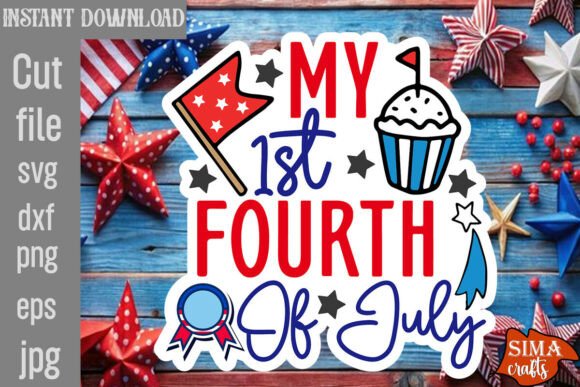
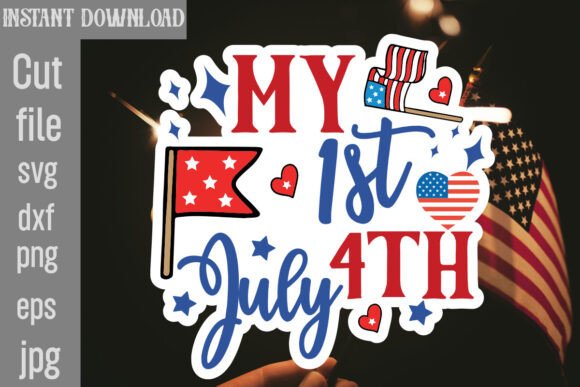
Upon opening the file, the immediate takeaway is its playful yet classic Americana vibe. The layout of My 1st 4th July SVG Cut File suggests a design built for celebration without being overly cluttered. For an embroidery project, this is crucial. Designs that are too busy often lose their charm when converted from vector lines to physical threads. The shapes here feel bold enough to carry a satin stitch border or a dense fill stitch without losing definition. It creates a mood of nostalgic summer fun, making it an ideal candidate for holiday embroidery projects that need to feel handmade but professional.
The visual personality leans towards the cute and commemorative side. This isn't a gritty, vintage military patch; it is soft, inviting, and clearly aimed at the "little one" demographic. When I visualize this stitched out, I see crisp edges and a clear hierarchy of elements, which is exactly what you want before committing hours of machine time.
Real-World Application: The Custom Tote Scenario
To truly test the viability of any digital asset, I imagine a specific client request. Let's say a boutique owner approaches me for a run of limited-edition tote bag design items for a local farmers' market pop-up shop. They want something that screams summer patriotism but appeals to young families. This is where My 1st 4th July SVG Cut File shines.
If I were to digitize this for a canvas tote, the bold lines would translate beautifully into a sturdy embroidered patch或者直接 applied to the fabric. The design's simplicity ensures that even on a textured canvas, the details remain visible. For a small shop product, consistency is key. Using this file as a base allows for easy color swaps—perhaps swapping traditional red and blue for pastel tones to match a specific brand palette. The result would be a high-value handmade product that customers perceive as thoughtful and custom, rather than mass-produced.
Beyond totes, this design is practically begging to be used for baby embroidery. Imagine a white muslin swaddle or a organic cotton onesie. The scale of the graphics in My 1st 4th July SVG Cut File seems appropriate for a chest placement on infant wear. It transforms a basic garment into a cherished personalized gift that parents will likely save as a keepsake. For an Etsy seller, listing these as ready-to-ship holiday items could drive significant engagement during the early summer rush.
Technical Considerations and Fabric Challenges
However, enthusiasm must be tempered with technical reality. Just because a file looks good on screen doesn't mean it will stitch well on every surface. When working with My 1st 4th July SVG Cut File, there are specific areas where caution is required.
- Fabric Texture: On highly textured fabrics like terry cloth or heavy wool, fine details might get lost. If you plan to use this on a sweatshirt embroidery project, ensure your digitizing software accounts for the pile of the fabric by slightly enlarging small elements.
- Stretchy Materials: Knits can be tricky. Without the proper stabilizer, a design with solid fill areas can cause the fabric to pucker or distort after washing. Always test on scrap fabric first.
- Dark Fabrics: If stitching onto navy or black custom apparel, you may need to add an underlay or change the thread colors to ensure the design pops. A dark background can swallow up subtle outlines if the contrast isn't managed correctly.
- Small Hoop Sizes: While the design appears compact, verify the dimensions against your available hoop size. Cramping a design into a hoop that is too small can lead to framing issues and uneven tension.
It is also worth noting that since this originates as an SVG, it does not come with pre-defined stitch types like running stitch or automatic column settings. You, as the embroiderer, are responsible for the digitizing process. This gives you creative control but requires you to check stitch density manually. Overly dense stitching can make a baby item stiff and uncomfortable, so aim for a balance that maintains durability without sacrificing softness.
Impact on Brand and Customer Trust
In the world of commercial embroidery, the quality of your finished product directly impacts customer trust. A sloppy stitch job on a great design ruins the reputation of the maker. Conversely, a well-executed version of My 1st 4th July SVG Cut File can elevate your brand. It shows attention to detail and an understanding of current trends.
For creative entrepreneurs selling design assets or finished goods, the visual appeal of this file offers high "giftability." It is the kind of design that looks excellent in a printable mockup for online listings, drawing the eye of potential buyers scrolling through feeds. When a customer receives a pillow cover or apron featuring this design, the clarity of the stitches and the appropriateness of the theme reinforce the value of their purchase. It builds a narrative of care and craftsmanship that generic store-bought items simply cannot match.
Practical Notes for the Professional Maker
Before you commit to a full production run, here are my top recommendations for working with this file:
- Test First: Always stitch a sample on the exact fabric you intend to use. Thread tension behaves differently on linen versus polyester blends.
- Check Contrast: Review your thread colors in black and white mockups to ensure the design elements distinguish themselves from one another without relying solely on hue.
- Verify Licensing: Although this is a versatile graphic, always confirm the license terms regarding commercial use. Can you sell the physical embroidered item? Can you resell the digitized file? Clarity here protects your craft business.
- Inspect Details: Look closely at tiny lettering or sharp corners. These are common failure points in embroidery. You may need to manually adjust nodes in your digitizing software to prevent thread bunching.
- Stabilizer Selection: Match your stabilizer to the fabric weight. A cut-away stabilizer is often safer for garments that will undergo frequent washing, ensuring the finished product lasts for years.
In conclusion, My 1st 4th July SVG Cut File is a promising starting point for a variety of festive projects. It bridges the gap between digital convenience and tactile artistry. Whether you are creating a single personalized gift for a nephew or stocking inventory for a boutique, this design offers the flexibility and charm needed to succeed. Just remember that the magic happens not in the download, but in the careful execution on the machine. With the right preparation and a keen eye for detail, this file can become a staple in your summer collection.