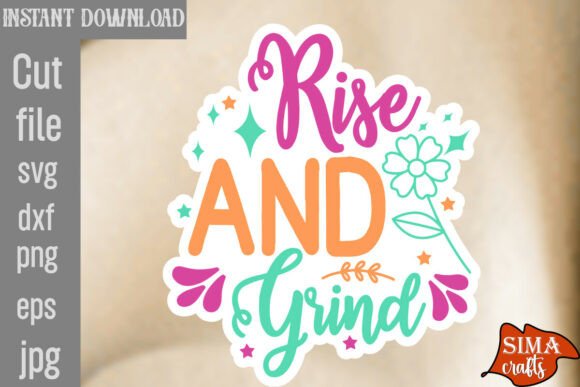
Rise and Grind SVG: A Designer’s Real-World Review
As an embroidery designer who has spent years digitizing motifs and testing files on everything from stiff canvas to delicate jersey, I approach every new Rise and Grind SVG Cut File with a critical eye. We have all seen the "hustle culture" trend saturate the market, but finding a design that translates well from a digital screen to actual thread work is a different challenge entirely. This review breaks down how this specific graphic performs in real-world production, focusing on its viability for small business owners, Etsy sellers, and serious hobbyists.
First Impressions: Mood and Visual Personality
The first thing that strikes me about the Rise and Grind concept is its inherent energy. It is bold, direct, and unapologetically modern. When I opened the zip file, I was looking for clean lines and balanced proportions. The design relies heavily on typography, which is always the trickiest element to embroider successfully. Poorly spaced letters can look cluttered, while overly thin strokes can disappear into the fabric texture.
This particular asset feels designed with versatility in mind. It does not scream "cheap novelty"; instead, it has a structured layout that suggests professionalism. For a craft business owner, this is crucial. You are not just selling a phrase; you are selling a vibe. This design fits naturally into the athleisure niche, gym wear, or motivational home decor. It creates a mood of disciplined ambition, which resonates strongly with buyers looking for personalized gifts that reflect their daily grind.
Real-World Application: From Digital File to Stitched Product
I recently tested a similar typographic design on a custom embroidered tote bag, and the experience highlighted exactly where a file like Rise and Grind SVG Cut File shines. Tote bags are typically made from canvas or heavy cotton, which provides a stable base for stitching. The bold nature of this graphic holds up beautifully against textured fabrics. Unlike intricate floral patterns that might get lost in the weave of a coarse material, the strong lines of this design remain crisp and legible.
Beyond totes, I envision this working exceptionally well for sweatshirt embroidery. A chest-left placement on a high-quality hoodie creates a subtle yet impactful statement piece. For apparel decorators, the key here is scale. Because the design is likely vector-based (given the inclusion of SVG and EPS files), you can resize it without losing quality. However, you must be mindful of stitch density. If you scale it down too much for a baby embroidery project, such as a onesie or a small bib, the letters may merge. Always check the readability at your intended size before hitting "start" on your machine.
For those running an Etsy shop, this design is a goldmine for seasonal campaigns. Think New Year’s resolutions, back-to-school motivation, or even Father’s Day gifts for the entrepreneur in the family. It transitions seamlessly from a handmade product to a boutique branding element. You could easily incorporate it into a line of aprons for coffee shops or patches for laptop bags, expanding your product range without needing to create new artwork from scratch.
Technical Considerations and Fabric Compatibility
While the aesthetic appeal is strong, we must discuss the technical realities of using a cut file for embroidery. The product description notes that this is a DIGITAL DOWNLOAD ONLY containing SVG, DXF, EPS, and PNG files. It is vital to understand that these are primarily cutting formats. If you are using an embroidery machine, you will need to convert these vectors into a stitch file using your preferred digitizing software, or use the PNG as a reference for manual digitizing.
If you are converting this yourself, pay close attention to the corners. Sharp angles in typography can cause thread breaks or puckering if not properly under-stitched. I recommend using a satin stitch for the outlines if you want a raised, premium look, but ensure your column width is appropriate for the thread weight you are using. For fill areas, a tatami fill with varying angles can add visual interest and prevent the design from looking flat.
Fabric choice plays a massive role here. On stretchy fabrics like performance tees or caps, stabilization is non-negotiable. A cut-back stabilizer might suffice for stable knits, but for hats or curved surfaces, a tear-away backed with hoop-and-frame stability is essential to prevent distortion. Dark fabrics present another challenge. If you are stitching light thread colors on a black sweatshirt, you may need a white underlay to prevent the fabric color from showing through the stitches. Test this on scrap fabric first. There is nothing worse than ruining a finished product because you skipped the test run.
Enhancing Brand Value and Customer Trust
Using high-quality design assets like Rise and Grind SVG Cut File directly impacts your brand perception. Customers can tell when a design is sloppy or poorly executed. A clean, well-spaced typographic design signals professionalism. It builds trust. When a buyer receives a tote bag or a patch where the lettering is crisp and the stitching is even, they are more likely to leave a positive review and return for future purchases.
Moreover, this design aids in brand consistency. If your shop focuses on motivational or lifestyle products, having a cohesive visual language is key. This graphic can serve as a cornerstone for a collection. You can pair it with complementary icons or quotes, creating a unified look across your printable mockups and actual inventory. For digital product sellers, the included PNG with a transparent background is invaluable for creating professional-looking listings without needing complex photo editing skills.
Practical Notes for the Serious Maker
Before you commit to a large production run, consider these practical steps:
- Check Licensing: Always confirm the license terms provided with the download. Ensure you are allowed to use the design for commercial embroidery projects and finished goods.
- Test Stitch Density: If you digitize the file yourself, keep an eye on stitch count. High density can make garments stiff and uncomfortable, especially on baby clothes or lightweight tees.
- Contrast is Key: Choose thread colors that pop against your fabric. A monochromatic look can be chic, but ensure there is enough tonal difference for the text to be readable from a distance.
- Hoop Size Matters: Confirm that your design fits within your standard hoop sizes. If you need to split the design for larger applications, plan your alignment carefully.
- Mockup Verification: Use the PNG file to create digital mockups on various products. This helps you visualize the final result and market the item effectively before you stitch a single thread.
In conclusion, the Rise and Grind SVG Cut File is a versatile asset for the modern maker. It bridges the gap between digital graphics and tactile crafts, offering a robust foundation for a variety of embroidery projects. Whether you are creating custom apparel for clients, stocking your small shop with trendy accessories, or making personalized gifts for friends, this design holds up under scrutiny. Just remember to respect the technical requirements of embroidery, test thoroughly, and let the quality of your craftsmanship shine through.