There is Always a Way SVG: A Designer’s Review
As an embroidery designer who spends more time staring at digitizing software than I do sleeping, I have learned that not every pretty graphic translates well into thread. We live in an era where digital assets are abundant, but finding a machine embroidery design that balances aesthetic appeal with technical stitchability is rare. Recently, I evaluated There is Always a Way SVG Cut File to determine if it holds up under the needle. This is not just a review of a file; it is an assessment of how this specific asset performs in real-world Crafts and commercial applications.
First Impressions and Visual Personality
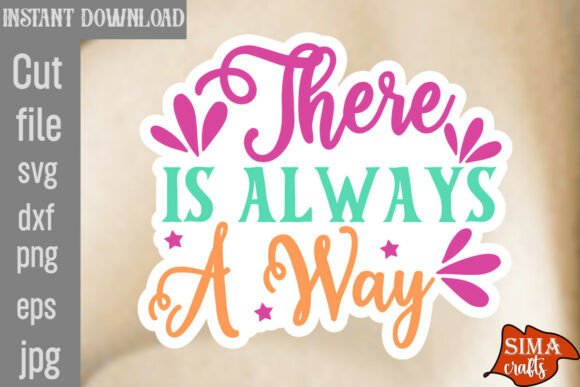
When I first opened the zip folder, my immediate concern was clarity. The package includes an SVG for Cricut, a DXF for Silhouette, an EPS vector, and a 300 DPI PNG. For those of us working primarily in embroidery, the SVG and EPS files are the critical starting points. The phrase "There Is Always a Way" carries a resilient, optimistic mood. It is not overly decorative, which is a strength. In embroidery, complexity often leads to frustration. This design relies on clean lines and balanced typography, creating a visual personality that feels modern yet timeless.
The layout suggests versatility. It does not scream for attention with excessive flourishes, which means it can sit comfortably on a variety of products without overwhelming the fabric. For a designer, this restraint is promising. It implies that the final stitched product will look professional rather than cluttered. However, because this is technically a cut file package, we must approach it with a digitizer’s eye. The shapes are solid, which is excellent for appliqué or filled stitches, but we must consider how these closed paths translate when converted into an embroidery file.
Real-World Application: The Custom Tote Bag Test
To truly understand the value of There is Always a Way SVG Cut File, I imagined a specific client project: a custom canvas tote bag for a local nonprofit fundraiser. The goal was to create a handmade product that felt uplifting and durable. Canvas is a textured, heavy fabric, which presents unique challenges for stitching.
In this scenario, the design’s bold structure works in its favor. Thin, wispy fonts often get lost in the weave of canvas, but the substantial letterforms in this SVG maintain their integrity. If I were to digitize this for a tote bag design, I would likely opt for a dense fill stitch or a clean satin stitch border depending on the size. The transparency of the included PNG allows for quick mockups, helping me visualize how the text would sit against natural beige cotton versus a dyed navy background. This step is crucial for Etsy sellers and small shop product creators who need to show customers realistic previews before purchase.
Versatility Across Apparel and Home Decor
Beyond totes, this design shines in custom apparel. Imagine it embroidered on the left chest of a hoodie or across the back of a work apron. The message resonates with entrepreneurs, students, and anyone facing a challenge. For sweatshirt embroidery, the stretch of the fabric requires careful attention to stabilizer choice. A cut-away stabilizer would be essential to prevent the design from puckering after washing.
I also see strong potential in nursery decor. A soft, pastel version of this design on a baby blanket or pillow cover could serve as a gentle reminder of resilience. However, baby embroidery demands softer threads and lower stitch density to avoid irritating sensitive skin. The simplicity of There is Always a Way SVG Cut File allows for easy scaling, meaning you can shrink it for a small patch or enlarge it for a statement piece without losing legibility. This adaptability makes it a valuable asset for design assets libraries used by creative entrepreneurs.
Technical Considerations and Potential Pitfalls
While the design is strong, it is not without its technical demands. Since this is provided as a vector and cut file, it is not a pre-digitized embroidery file. This distinction is vital. You cannot simply load an SVG into most embroidery machines. You must use digitizing software to convert the vectors into stitch data. This process requires skill. If you are new to digitizing, pay close attention to corner handling. Sharp angles in the letters may need underlay stitches to ensure crisp points.
Another consideration is stitch density. If you choose to fill the entire letters with thread, the resulting patch will be stiff. On curved surfaces like caps or hats, this stiffness can cause the fabric to pucker or the cap to lose its shape. In such cases, using a running stitch outline or converting the design into an applique design where the fabric provides the color and the thread provides the border might be a smarter approach. This reduces bulk and maintains the comfort of the garment.
Dark fabrics present another challenge. If you are stitching white thread on black fabric, you must ensure your digitizing includes proper underlay to prevent the background fabric from showing through the stitches. The high contrast of the PNG preview helps here, but always test on scrap fabric first. Never assume a design will look the same on silk as it does on denim.
Enhancing Brand Value and Customer Trust
For commercial embroidery professionals, the quality of your input files directly impacts your output quality. Using a clean, professional vector like There is Always a Way SVG Cut File signals attention to detail. When customers receive a personalized gift that is neatly stitched, with no loose threads or distorted shapes, their trust in your brand grows. This design supports that professionalism. It is not a trendy, fleeting graphic that will look dated in six months. It is a classic sentiment that adds emotional value to the finished product.
Furthermore, having access to multiple file formats (SVG, DXF, EPS, PNG) allows for cross-platform marketing. You can use the PNG for social media posts, the SVG for cutting vinyl heat transfers if a customer prefers that over embroidery, and the EPS for large-format printing. This versatility increases the perceived value of your offering, making it easier to justify higher price points for boutique branding items.
Practical Notes for the Embroidery Designer
Before you commit to a large production run, follow these steps:
- Test on Scrap Fabric: Always stitch out a sample on the exact fabric type you intend to use. Check for registration issues and thread breaks.
- Check Thread Color Contrast: Ensure your thread colors stand out against the fabric. Use the transparent PNG to simulate different color combinations.
- Review Stitch Density: If digitizing yourself, adjust density based on fabric weight. Lighter fabrics need less density.
- Confirm Hoop Size: Ensure the design fits within your machine’s hoop dimensions without needing re-hooping, which can cause alignment errors.
- Inspect Small Details: Zoom in on the vector file. Are there any stray nodes or overlapping paths that could confuse your digitizing software?
- Licensing Verification: Although this is a digital download, always confirm the license terms for commercial use. Can you sell the finished embroidered items? Can you resell the digital file? Clarify this before listing on Etsy or other platforms.
In conclusion, There is Always a Way SVG Cut File is a robust, versatile asset for the modern maker. It bridges the gap between digital precision and tactile craft. Whether you are creating holiday embroidery gifts, embroidered patches for uniforms, or printable mockups for your online store, this design offers a solid foundation. It requires thoughtful execution, particularly in the digitizing phase, but the result is a polished, meaningful product that resonates with buyers. For the experienced designer, it is a tool worth keeping in the toolkit.