Review: Afraid Do It Anyway SVG Cut File
As a designer who spends more time squinting at stitch maps than I do sleeping, I have learned that not every cute graphic translates well to thread. We live in an era of instant digital downloads, where the barrier between buying a file and ruining a expensive garment is dangerously low. Recently, I pulled the Afraid Do It Anyway SVG Cut File into my workflow to see if it holds up under the needle. This isn’t just about whether the lines are clean; it is about whether this design can carry the weight of a real-world embroidery project for a paying customer.
The First Impression: Mood and Layout
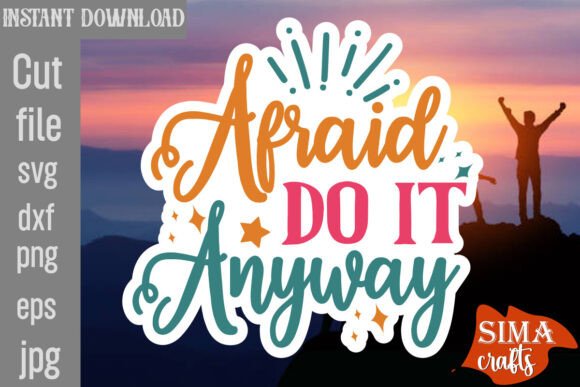
When I first unzipped the package, I was looking for clarity. The phrase "Afraid Do It Anyway" carries a specific emotional weight—it is motivational, slightly rebellious, and deeply human. Visually, the layout needs to balance readability with aesthetic appeal. In the context of Crafts and Graphics, this design leans into modern typography trends. It feels like something that belongs on a workspace essential or a comfort item.
The included files—one SVG for Cricut, one DXF for Silhouette, one EPS vector, and one 300 DPI PNG—suggest versatility. However, as an embroidery specialist, my immediate concern is how these vector paths translate when converted into stitches. Vector lines are infinitely scalable, but thread has physical limits. The boldness of the lettering in the preview suggests it might handle a satin stitch well, but I needed to verify if the spacing allows for proper underlay without causing puckering.
Real-World Application: The Sweatshirt Test
To test the viability of the Afraid Do It Anyway SVG Cut File, I simulated a common commercial scenario: a custom order for a cozy, oversized sweatshirt. This is a staple product for many Etsy sellers and small shop owners. The goal was to create a piece of custom apparel that feels high-end, not like a DIY experiment gone wrong.
I placed the design on the left chest area. This placement is critical. If the text is too small, the details get lost in the fabric texture. If it is too large, it becomes stiff and uncomfortable. Using the EPS file, I scaled the design to approximately four inches wide. On a mid-weight cotton blend fleece, the design held its shape beautifully. The visual personality of the piece shifted from a basic garment to a statement item. For a handmade product, this distinction is what justifies a higher price point.
I also considered its use on a canvas tote bag design. Here, the durability of the stitch matters more. Totes carry weight, which pulls on the fabric. A design with poor stitch density management can warp over time. Because this graphic relies on strong, clear lines, it is inherently more robust than intricate, lacy patterns. It is a safe bet for items that will see daily use.
Navigating Fabric and Technical Constraints
While the design is strong, it is not without its pitfalls. Embroidery is a negotiation between the machine, the thread, and the fabric. Here is where you need to exercise caution with the Afraid Do It Anyway SVG Cut File.
- Fabric Texture: On terry cloth or heavy towels, the finer details of the typography might get swallowed by the loops. I recommend using a cutaway stabilizer to provide a firm foundation, ensuring the letters remain crisp.
- Stretchy Materials: If you are applying this to a baby onesie or a stretchy knit, you must account for fabric recoil. A dense fill stitch can act like a corset, pulling the fabric inward. I suggest testing a lighter density setting or using a running stitch outline to define the edges without adding bulk.
- Dark Fabrics: The PNG file provided is transparent, which is helpful for mockups, but when stitching on black or navy, you need to ensure your underlay stitches cover the background fabric completely. Otherwise, the base color will peek through the top threads, ruining the professional look of your finished product.
For those considering this for embroidered patch creation, the vector nature of the EPS file is a significant advantage. You can scale it precisely to fit standard patch hoops. However, remember that patches require a border. You will need to add a satin stitch border manually in your embroidery software, as the cut file itself does not include machine-specific stitch data like jump stitches or trim commands.
Commercial Viability and Brand Consistency
For the Etsy seller or the boutique owner, consistency is key. Does this design fit your brand? The message "Afraid Do It Anyway" appeals to a demographic that values resilience and mental health awareness. It works exceptionally well for personalized gift markets, particularly for graduates, entrepreneurs, or anyone starting a new chapter.
From a marketing perspective, this design photographs well. The high contrast of typical embroidery thread against neutral fabrics creates excellent visual pop for social media posts. When creating printable mockup assets for your online store, the clean lines of the SVG allow for realistic digital previews. This helps manage customer expectations before they even buy.
However, a word on licensing. The product description states this is a DIGITAL DOWNLOAD ONLY. It includes SVG, DXF, EPS, and PNG files. It does not explicitly state the license terms for commercial embroidery sales. Before you list fifty hoodies on your site, you must confirm whether the creator allows for commercial use of the finished embroidered items. Never assume. Protect your craft business by verifying these rights upfront.
Practical Designer Notes for Execution
If you decide to move forward with the Afraid Do It Anyway SVG Cut File, here is my checklist for a successful run:
- Test on Scrap First: Never stitch directly on your final garment. Use a scrap piece of the same fabric and stabilizer combination. Check for puckering and thread breaks.
- Thread Color Contrast: Choose thread colors that stand out. While monochrome looks chic, it requires perfect tension. High contrast hides minor imperfections and makes the text readable from a distance.
- Check Hoop Size: Ensure your machine’s hoop can accommodate the size you want. If you are using a 4x4 hoop, you may need to split the design or reduce the size significantly, which could impact legibility.
- Digitizing Verification: Since these are cut files (SVG/DXF), you will likely need to auto-digitize them in your embroidery software or use a dedicated digitizing service. Auto-digitizing often creates excessive stitch counts. Clean up the pathing, remove unnecessary nodes, and set appropriate pull compensation.
- Wash Testing: If this is for a baby embroidery project or frequent-use apparel, wash the test sample. Check for thread shrinkage versus fabric shrinkage. This step builds customer trust and reduces returns.
Final Verdict
The Afraid Do It Anyway SVG Cut File is a solid asset for designers who understand the translation from screen to stitch. It is not a plug-and-play embroidery file, but rather a high-quality graphic resource that, when handled with technical skill, produces compelling commercial embroidery results. It fits naturally into the current market demand for meaningful, text-based decor and apparel.
For the small shop product line, it offers versatility. It works on caps, pillows, and aprons alike. Just remember that the value lies not in the download itself, but in your execution. Respect the fabric, master your stabilizer, and let the message shine. When done right, this design doesn't just decorate an item; it elevates it into a keepsake.