Review: Hello February SVG Cut File for Embroidery
As a designer who spends more time staring at stitch maps than most people spend on their phones, I approach every new digital embroidery file with a mix of curiosity and skepticism. We've all been there: you buy a cute graphic, convert it, and end up with a puckered mess or a design that loses its charm once the needle hits the fabric. So, when I got my hands on the Hello February SVG Cut File, I didn't just look at it as a pretty image for a screen. I looked at it as a potential handmade product waiting to happen. My goal was to determine if this asset holds up under the pressure of a real-world embroidery project, specifically for those of us running small shops or creating personalized gifts.
First Impressions: Mood and Visual Personality
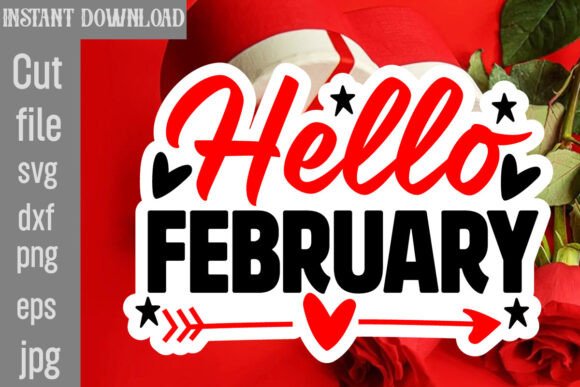
The first thing that strikes me about the Hello February SVG Cut File is its gentle, welcoming vibe. February is often a tricky month to design for; it sits in that limbo between the deep freeze of January and the budding hope of March. This design navigates that space well. The typography feels friendly without being overly childish, making it versatile enough for a baby embroidery project on a onesie or a sophisticated sweatshirt embroidery piece for an adult.
Visually, the layout is clean. In the world of Crafts and Graphics, simplicity often translates best to thread. Complex gradients and tiny details that look great on a high-resolution monitor can turn into a nightmare of thread breaks and excessive trimming on a machine. From what I can see in the vector preview, the shapes are solid and defined. This suggests that if you were to digitize this yourself or use a pre-made version based on these vectors, the transition from SVG File for Cricut or DXF File for Silhouette to a stitch file would be relatively straightforward. The lack of overly intricate, hairline details is a huge plus for durability, especially for items that will see frequent wear.
Real-World Application: The Tote Bag Test Case
To truly evaluate this design, I imagined a specific scenario: a custom order for a local boutique needing a run of seasonal tote bag designs. The client wanted something subtle yet festive for their Valentine's Day promotion, avoiding the cliché heavy hearts in favor of something that celebrated the month itself. The Hello February SVG Cut File fits this brief perfectly.
If I were stitching this onto a canvas tote, the boldness of the lettering would stand out beautifully against a textured fabric. However, because the download includes an EPS File Vector and a PNG File Transparent Background, 300 Dpi, I have the flexibility to manipulate the size before sending it to the digitizer. For a tote, I'd likely scale it up to fill the center panel. The "Hello" script paired with the blockier "February" creates a nice typographic contrast that adds visual interest without requiring complex color changes. This is crucial for keeping production costs down while maintaining a high perceived value for the finished product.
Imagine this same design on a cozy fleece sweatshirt. The soft edges of the text would complement the fuzzy texture of the fabric. Unlike sharp, geometric logos that can look harsh on soft goods, this design feels organic. It's the kind of custom apparel detail that makes a customer feel like they bought something special from a small shop product line rather than a mass-produced item from a big box store.
Technical Considerations for Stitching
While the aesthetic is promising, any experienced Etsy seller or craft business owner knows that the devil is in the details. Since this is a DIGITAL DOWNLOAD ONLY containing cut files (SVG, DXF, EPS, PNG) and not a pre-digitized stitch file, the responsibility falls on you to ensure the translation to thread is handled correctly. You cannot simply plug an SVG into your embroidery machine and expect magic; it must be digitized properly first.
When preparing this for a machine embroidery design, pay close attention to stitch density. If the letters are too close together, you risk the threads merging into an unreadable blob, especially if you are using a satin stitch column. I recommend testing the design on scrap fabric first. Check how the running stitch outlines hold up against the fill stitch areas. If you plan to use this on stretchy fabrics like jersey knits for baby clothes, the choice of stabilizer becomes critical. A cut-away stabilizer is usually safer for garments that will be washed repeatedly, ensuring the design doesn't distort over time.
Another factor is the hoop size. Depending on how large you intend to make the final embroidered patch or direct garment application, ensure your machine's hoop can accommodate the width of the word "February." If you are working with smaller hoops, you might need to split the design, which can be tricky with text alignment. Also, consider the thread colors. While the PNG offers a transparent background, think about contrast. A light thread on a dark fabric texture needs sufficient coverage to prevent the background from showing through, which might require adjusting the density during the digitizing phase.
Commercial Viability and Brand Consistency
For creative entrepreneurs and digital product sellers, the versatility of this file is a strong selling point. The inclusion of multiple formats means you aren't locked into one software ecosystem. Whether your clients use Cricut for heat transfer vinyl applications or you are digitizing for direct embroidery, the source files are robust. This flexibility allows you to maintain brand consistency across different product lines. You could offer the same design as a vinyl decal for a water bottle and an embroidered motif for a hat, creating a cohesive collection for your holiday embroidery or seasonal drops.
However, a word of caution regarding licensing: always confirm the terms before selling commercial embroidery items made from this design. Just because you purchased the download doesn't automatically grant unlimited commercial rights for physical goods unless specified. Protecting your craft business means reading the fine print so you don't face issues down the road. Assuming the license permits it, this design has high potential for buyer engagement. It's relatable, seasonal, and taps into the "month of love" niche without being overly saturated.
Final Verdict: Is It Worth the Stitch?
In my professional opinion, the Hello February SVG Cut File is a solid addition to a designer's library. It avoids the trap of being too trendy, which means it won't look dated next year. Its strength lies in its adaptability. It works equally well as a focal point on a pillow cover, a subtle accent on a kitchen towel, or a statement piece on a cap. The clean lines suggest that, with proper digitizing, the stitching clarity will be excellent, resulting in a personalized gift that looks professional and thoughtful.
Before you commit to a full production run, remember to test your thread color contrast and inspect small details like the corners of the letters. If you are new to digitizing, consider sending this vector to a professional digitizer to ensure the applique design or standard fill settings are optimized for your specific machine. With the right preparation, this design can elevate your printable mockup portfolios and translate into tangible sales. It's a practical, charming asset that respects the limitations of embroidery while maximizing visual appeal. For anyone looking to add a touch of late-winter warmth to their design assets, this file is a worthy candidate for your next project.