Review: Small Steps Everyday SVG Cut File for Embroidery
As a designer who spends more time staring at stitch simulations than I care to admit, I have learned that not every digital file translates well to thread. We often browse marketplaces looking for the perfect embroidery file, drawn in by cute thumbnails, only to realize later that the design lacks the structural integrity needed for a professional finished product. Today, I am taking a close look at the Small Steps Everyday SVG Cut File. While this is technically marketed as a cut file for machines like Cricut and Silhouette, its utility for embroidery designers and Etsy sellers is worth exploring, provided you understand the conversion process.
First Impressions and Visual Personality
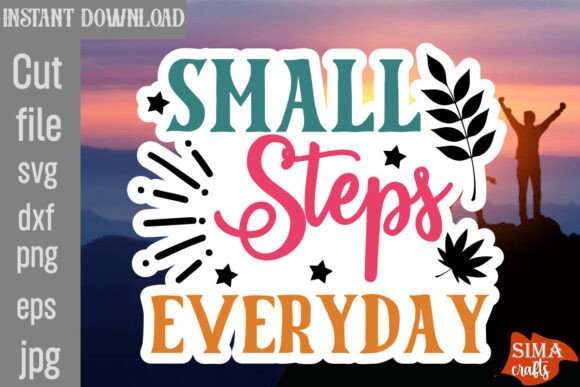
When I first opened the zip folder, I was looking for clarity. The package includes an SVG, DXF, EPS, and a high-resolution PNG. For those of us in the Crafts industry, having multiple formats is standard, but the quality of the vector paths matters most. The Small Steps Everyday SVG Cut File features a clean, minimalist aesthetic. It does not rely on overly complex shading or tiny, fragile details that often break during stitching. Instead, it offers a bold, readable layout that suggests movement and progress.
The mood here is encouraging and gentle. It feels right at home in the world of personalized gift items. Visually, it lacks the clutter that can make a design look cheap when stitched out. This simplicity is a strength. In embroidery, less is often more, especially when dealing with thread colors and fabric texture. A design that looks good in black and white on your screen will almost always translate better to thread than one that relies on subtle gradients.
Real-World Application: The Custom Tote Scenario
To truly evaluate this asset, I imagined a real client project. Let’s say a local boutique owner wants a run of canvas tote bags for a community wellness workshop. They need something that says "progress" without being preachy. This is where Small Steps Everyday SVG Cut File shines as a base for a tote bag design.
Since this is a vector-based graphic, I would import the SVG into my embroidery software to create a custom machine embroidery design. The clean lines allow me to choose between a dense fill stitch for a solid, impactful look or a lighter running stitch outline for a more subtle, hand-drawn feel. On a sturdy canvas tote, the design holds its shape well. The customer sees a professional, cohesive look that aligns with their brand values. It is not just a sticker; it is a textured, tactile element that adds value to the handmade product.
Apparel and Soft Goods Considerations
Moving beyond totes, I considered this design for sweatshirt embroidery. Hoodies and crewnecks are staple items for small shops. However, fleece and cotton blends behave differently than canvas. If you digitize this file for a sweatshirt, you must account for the nap of the fabric. A satin stitch border might sink into the fleece if the stitch density is not adjusted correctly. I recommend using a tear-away stabilizer to ensure the design sits on top of the fabric rather than disappearing into it.
For baby embroidery projects, such as onesies or burp cloths, the scale becomes critical. The Small Steps Everyday SVG Cut File is scalable, which is a huge advantage. You can shrink it down for a chest pocket placement or expand it for a back print. However, always check the legibility at smaller sizes. Tiny text or thin lines can become unreadable once stitched. I always test a scaled-down version on scrap fabric before committing to the final garment.
Navigating Technical Challenges
While the design is versatile, there are areas where caution is necessary. Because this is originally a cut file, it does not come with pre-defined stitch types. You are responsible for the digitization. This means you need to be mindful of hoop size constraints. If you are working with a 4x4 hoop, ensure your resized design fits comfortably within the safe zone, leaving room for the frame grips.
Curved surfaces, like caps, present another challenge. The Small Steps Everyday SVG Cut File has a horizontal orientation that works well for the front panel of a dad hat, but you must adjust the pull compensation. Without proper adjustment, the threads may pucker, distorting the message. Additionally, if you are using this on dark fabrics, consider how your thread colors contrast. A light thread on dark fabric requires precise tension settings to avoid showing the backing material.
Commercial Value and Brand Consistency
For commercial embroidery professionals and craft business owners, consistency is key. Using a reliable graphic like this allows you to create a cohesive collection. You can pair it with other motivational phrases or simple icons to build a line of small shop product offerings. The clean lines of the SVG make it easy to maintain brand consistency across different items, from embroidered patch designs to kitchen towels.
Buyers engage with products that feel thoughtful. When a customer receives a holiday embroidery piece or a wedding gift featuring this design, the clarity of the stitching reflects the care put into the creation. It builds trust. A sloppy stitch-out can ruin a sale, but a crisp, well-digitized version of Small Steps Everyday SVG Cut File enhances the perceived value of the item. It turns a simple piece of fabric into a keepsake.
Designer Notes for Best Results
Before you list this as a new item in your store, take these practical steps:
- Test on Scrap Fabric: Never stitch directly on your final product. Use a similar fabric weight and type to check tension and density.
- Check Contrast: View your design in grayscale. If it loses definition, you may need to adjust line weights or choose higher-contrast threads.
- Verify Licensing: Since this is a digital embroidery file package originally intended for cutting, confirm the license terms for commercial use if you plan to sell finished physical goods. Most creators allow it, but always double-check.
- Digitize Carefully: Do not just auto-digitize. Manually set your stitch angles to follow the flow of the letters or shapes. This reduces thread breaks and improves the overall look.
- Consider the Stabilizer: Match your stabilizer to your fabric. Cut-away for stretchy knits, tear-away for stable wovens.
Final Verdict
The Small Steps Everyday SVG Cut File is a solid addition to your library of design assets. It is not a ready-to-stitch embroidery file out of the box, but it is an excellent foundation for one. Its strength lies in its simplicity and scalability. For designers who understand how to translate vector paths into efficient stitch files, this graphic offers plenty of potential for custom apparel, home decor, and accessories.
It fits naturally into the current trend of mindful, minimalist crafting. Whether you are creating a printable mockup for your online store or stitching a real-life apron for a client, this design holds up. Just remember that the magic happens in the digitization. Treat the SVG as your blueprint, and use your expertise to bring it to life with thread. When done correctly, it results in a professional, appealing product that customers will love to wear and use.