Reviewing Take the Risk SVG Cut File for Embroidery
As a designer who spends half my life digitizing and the other half stitching, I have learned that not every graphic translates well to thread. We often see beautiful vector art that looks stunning on a screen but turns into a tangled mess under the needle. That is why I approach every new Take the Risk SVG Cut File with a critical eye, looking beyond the aesthetic appeal to understand its practical viability in real-world embroidery projects.
This particular design falls squarely into the category of motivational typography mixed with graphic elements, a staple in the Crafts and Graphics sectors. But does it hold up when you are trying to create a high-quality handmade product? Let’s break down how this file performs from a professional perspective, focusing on stitchability, fabric compatibility, and commercial potential.
First Impressions: Mood and Visual Personality
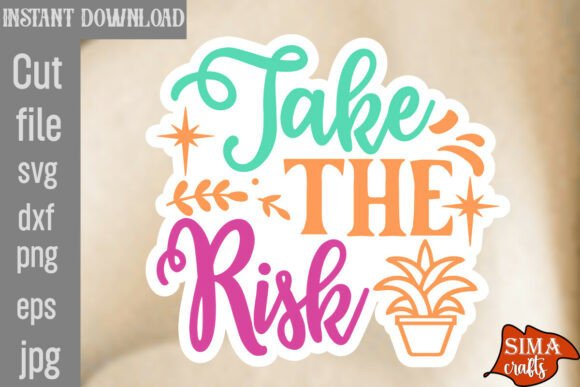
The first thing that strikes me about Take the Risk SVG Cut File is its bold, assertive energy. The typography suggests movement and confidence, which is exactly what you want when creating apparel or accessories meant to inspire. The layout is balanced, avoiding the common pitfall of overly intricate details that get lost in translation. For an embroidery designer, this clarity is crucial. It means the design relies on strong shapes rather than fragile lines, making it a safer bet for various hoop sizes.
The visual personality here is modern and versatile. It does not scream "vintage" or "rustic," which limits its use in those specific niches, but it shines brightly in contemporary custom apparel. Whether you are targeting a younger demographic on Etsy or creating boutique branding for a local gym, the mood fits. It feels intentional, not just decorative.
Real-World Application: The Tote Bag Test
To truly evaluate a design, you have to imagine it on a physical object. I recently considered using this file for a custom embroidered tote bag project. Canvas is a forgiving fabric, but it has a distinct texture that can interfere with small details. Because Take the Risk SVG Cut File features relatively thick letterforms and clear spacing, it performs exceptionally well on textured fabrics like canvas or heavy cotton twill.
In this scenario, I would likely use a combination of satin stitch for the borders and a light fill stitch for any larger graphical elements if I were digitizing it myself, or simply rely on the clean cut lines if using it as an applique base. The design’s openness allows the fabric texture to show through without compromising legibility. This is a key selling point for buyers who appreciate the tactile quality of a handmade product. A cluttered design would fight the fabric; this one collaborates with it.
Apparel and Stretchy Fabrics
Moving from totes to clothing, let’s talk about sweatshirt embroidery. Hoodies and crewnecks are thick, often fleece-lined, and prone to shifting under the needle. Here, the robust nature of the Take the Risk SVG Cut File works in your favor. However, caution is needed. If you are stitching directly onto a stretchy knit, you must use a high-quality cut-away stabilizer. The design’s weight is moderate, but without proper stabilization, the fabric could pucker around the letters, ruining the professional look of your finished product.
For baby embroidery, such as on a onesie or a soft blanket, I would proceed with care. While the message is empowering, the scale might need adjustment. Baby items require softer touches and less dense stitching to maintain comfort. I would recommend scaling the design down significantly and ensuring that no sharp corners or dense stitch areas irritate sensitive skin. Always test on scrap fabric first to check the hand-feel of the final stitched area.
Navigating Technical Constraints
One of the most important aspects of reviewing a digital embroidery file is understanding where it might fail. No design is perfect for every situation. With Take the Risk SVG Cut File, there are specific scenarios where you need to pause and rethink your approach.
- Small Hoop Sizes: If you are working with a 4x4 inch hoop, you may need to crop or simplify the design. The full phrase might become illegible if scaled down too far. Check the aspect ratio and ensure the smallest elements remain visible.
- Dark Fabrics: When stitching on black or navy garments, thread color contrast is vital. This design relies on readability. If you choose a thread color that blends too much with the background, the message gets lost. Use a bright or metallic thread to make the text pop.
- Curved Surfaces: Embroidering on caps is tricky. The curvature of the front panel can distort wide designs. You might need to arc the text or break the design into smaller sections to fit the available space without distortion.
- Dense Stitch Areas: If the file includes solid filled areas, be mindful of stitch density. Too much thread buildup can cause the fabric to stiffen or the machine to jam. Adjust your tension and consider using a lighter weight thread if the design allows.
Commercial Viability and Brand Consistency
For Etsy sellers and small shop owners, the ultimate question is: will this sell? The answer lies in presentation. Take the Risk SVG Cut File offers a strong foundation for a cohesive brand identity. It pairs well with other motivational quotes or minimalist graphics, allowing you to create a collection rather than just single items. This consistency builds customer trust and recognition.
When creating printable mockups or digital product previews, the transparent PNG included in the download is invaluable. It allows you to place the design on various product images quickly, giving potential buyers a realistic view of the final product. This saves time and enhances the professionalism of your listings. Remember, however, that a mockup is not a substitute for a physical sample. Always stitch a prototype to verify color accuracy and stitch quality before listing it as a commercial embroidery item.
Practical Designer Notes
Before you load this file into your machine, keep these practical tips in mind:
- Check Your Files: The download includes SVG, DXF, EPS, and PNG formats. Ensure you are using the correct file type for your software. SVG is ideal for Cricut and modern embroidery software, while DXF works well with Silhouette users.
- Test Stitch Density: Run a test stitch on similar fabric to gauge the density. If it looks too heavy, adjust your settings or add underlay stitches to support the top layers.
- Verify Licensing: Since this is a digital download, confirm the license terms for commercial use. Most craft business assets allow for selling finished physical items, but restrictions may apply to reselling the digital file itself.
- Contrast Check: View the design in black and white to ensure the shapes are distinct. If the design loses definition in grayscale, it may struggle with low-contrast thread combinations.
Final Verdict
In the world of Crafts and Graphics, finding a design that balances aesthetic appeal with technical practicality is rare. Take the Risk SVG Cut File succeeds because it respects the limitations of embroidery while delivering a powerful visual message. It is not just a pretty picture; it is a functional asset for creators who value quality and clarity.
Whether you are making a personalized gift for a friend launching a new business, creating stock for your holiday embroidery sale, or designing custom apparel for a client, this file offers reliability. Just remember to respect the fabric, choose your stabilizer wisely, and always prioritize stitch clarity over speed. When done right, this design elevates the perceived value of your handmade product, turning a simple piece of cloth into a statement piece that customers are proud to wear and share.