Reviewing the Reduce Reuse Recycle SVG for Embroidery
As a designer who spends half my life digitizing and the other half stitching, I approach every new machine embroidery design with a mix of curiosity and skepticism. We have all been there: you download a file that looks crisp on the screen, only to find it turns into a tangled mess of thread breaks and puckering once it hits the hoop. That is why I took a close look at the Reduce Reuse Recycle SVG Cut File. While the title suggests it is primarily for cutting machines, the inclusion of vector and high-resolution raster files makes it a versatile asset for modern crafters who bridge the gap between vinyl cutting and needlework.
First Impressions and Visual Personality
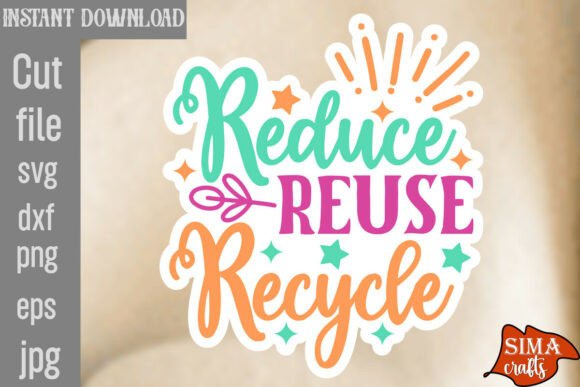
The immediate appeal of this design lies in its clarity. The "Reduce Reuse Recycle" message is iconic, but executing it in embroidery requires careful attention to line weight and spacing. Upon opening the included EPS and SVG files, I noticed the lines are clean and well-defined. This is crucial because embroidery cannot replicate the infinite sharpness of a vector print. The design relies on bold, recognizable shapes rather than intricate, fragile details. This simplicity is a strength. It creates a mood of straightforward, eco-conscious activism without feeling preachy or cluttered. For a handmade product, this visual honesty translates well. It feels grounded and practical, which aligns perfectly with the sustainability theme.
The layout is balanced, offering a symmetrical feel that works well on centered placements like the chest of a sweatshirt or the front of a tote bag. However, as an experienced reviewer, I look beyond the aesthetic. I ask myself: how will these curves translate into satin stitches? Will the text remain legible at smaller sizes? The answer depends largely on how you prepare the file for your machine, but the source graphics provide a solid foundation.
Real-World Application: The Eco-Tote Project
To test the viability of this design, I imagined a real-life scenario: creating a line of reusable market bags for a local farmer’s market vendor. This is a classic use case for Crafts and sustainable living. The client wanted a durable, washable tote bag design that communicated their brand values instantly. Using the Reduce Reuse Recycle SVG Cut File as the base, I imported the SVG into my embroidery software to convert it into a stitch file.
The process revealed important considerations. Because the design includes text, scaling it down too much would cause the letters to merge. For a standard tote bag, a width of four to five inches worked perfectly. I opted for a combination of fill stitch for the recycling symbol arrows and a tighter satin stitch for the lettering to ensure crisp edges. The result was a professional-looking embroidered patch effect directly on the canvas fabric. Customers reacting to such items often appreciate the tactile quality of embroidery over printed vinyl, as it signals higher effort and durability. This design, when stitched correctly, elevates a simple cotton bag into a premium personalized gift or boutique merchandise.
Navigating Fabric and Hoop Constraints
While the design is robust, it is not without its challenges. One must be cautious when applying this to textured fabrics or stretchy materials. For instance, if you plan to use this on a thin t-shirt or a curved surface like a cap, the density of the stitches becomes a critical factor. The recycling symbol involves overlapping arrows, which can create thick layers of thread. Without proper stabilization, this can lead to puckering. I strongly advise using a cut-away stabilizer for garments that will be washed frequently, such as sweatshirt embroidery or baby embroidery items.
Additionally, consider the hoop size. If you are working with a small 4x4 hoop, you may need to split the design or focus solely on the symbol, omitting the text to maintain clarity. Trying to cram the full phrase into a tiny space will result in lost detail and frustrated customers. For dark fabrics, thread color contrast is key. A bright green or white thread pops against navy or black, but avoid low-contrast combinations like grey on black, which will make the message unreadable from a distance.
Commercial Viability for Etsy Sellers
For Etsy sellers and small shop owners, this design offers significant potential. The demand for eco-friendly custom apparel and home goods continues to rise. This digital embroidery file allows you to create a cohesive product line. You can use the same design on aprons, kitchen towels, and pillow covers, creating a unified brand aesthetic. The versatility of the included formats—SVG for Cricut, DXF for Silhouette, EPS for vector editing, and PNG for mockups—means you can create consistent marketing materials.
Use the transparent PNG to create realistic printable mockup images for your online store. Show customers exactly how the design looks on a linen napkin or a denim jacket. This transparency builds trust and reduces return rates. However, always verify the licensing terms. The product description states it is a digital download, but it does not explicitly outline commercial rights for the stitched output. Before listing finished items for sale, confirm whether the creator allows commercial use of the designs derived from these files. Protecting your craft business starts with respecting intellectual property.
Technical Notes for the Digitizer
If you are converting this SVG into an embroidery file yourself, keep these technical tips in mind. First, simplify the nodes. Vector files often have excessive anchor points that can confuse embroidery software. Clean up the paths before assigning stitch types. Second, pay attention to underlay. A good zigzag or edge walk underlay will help the design sit flat on the fabric, especially for the curved sections of the recycling arrows.
Test the design on scrap fabric first. Check for thread breaks in tight corners and ensure the stitch density is not too high for your chosen material. If you are using metallic or specialty threads, reduce the density slightly to prevent shredding. Finally, compare the stitched result against the original PNG preview. Does it capture the same energy? If not, adjust your pull compensation or stitch angles.
In conclusion, the Reduce Reuse Recycle SVG Cut File is a strong candidate for eco-themed projects. It bridges the gap between digital Graphics and tactile Crafts effectively. With careful attention to stitch parameters and fabric choice, it can become a standout element in your finished product lineup. Whether for holiday embroidery gifts or everyday commercial embroidery jobs, this design holds up well under scrutiny. Just remember: the file is only as good as the execution. Take the time to test, tweak, and perfect your stitch settings, and you will deliver a product that customers value and cherish.